How to Use Color Psychology to Affect Your Mood at Home
Have you ever wondered why a neutral room feels relaxing? Or why a room designed with bold
red feels invigorating? It comes down to color psychology - or the association between a color
and our emotions. Color is a powerful design tool that can impact the mood of a room in ways
other decor elements can’t. In fact, it’s ability to create an atmosphere and set the mood
makes it one of the most important and valuable tools in interior design.
Whether you are redesigning your entire home or looking for the most motivating accent color
to use in your home office, read on to discover how colors can impact our moods, productivity,
relaxation and more.
BLUE
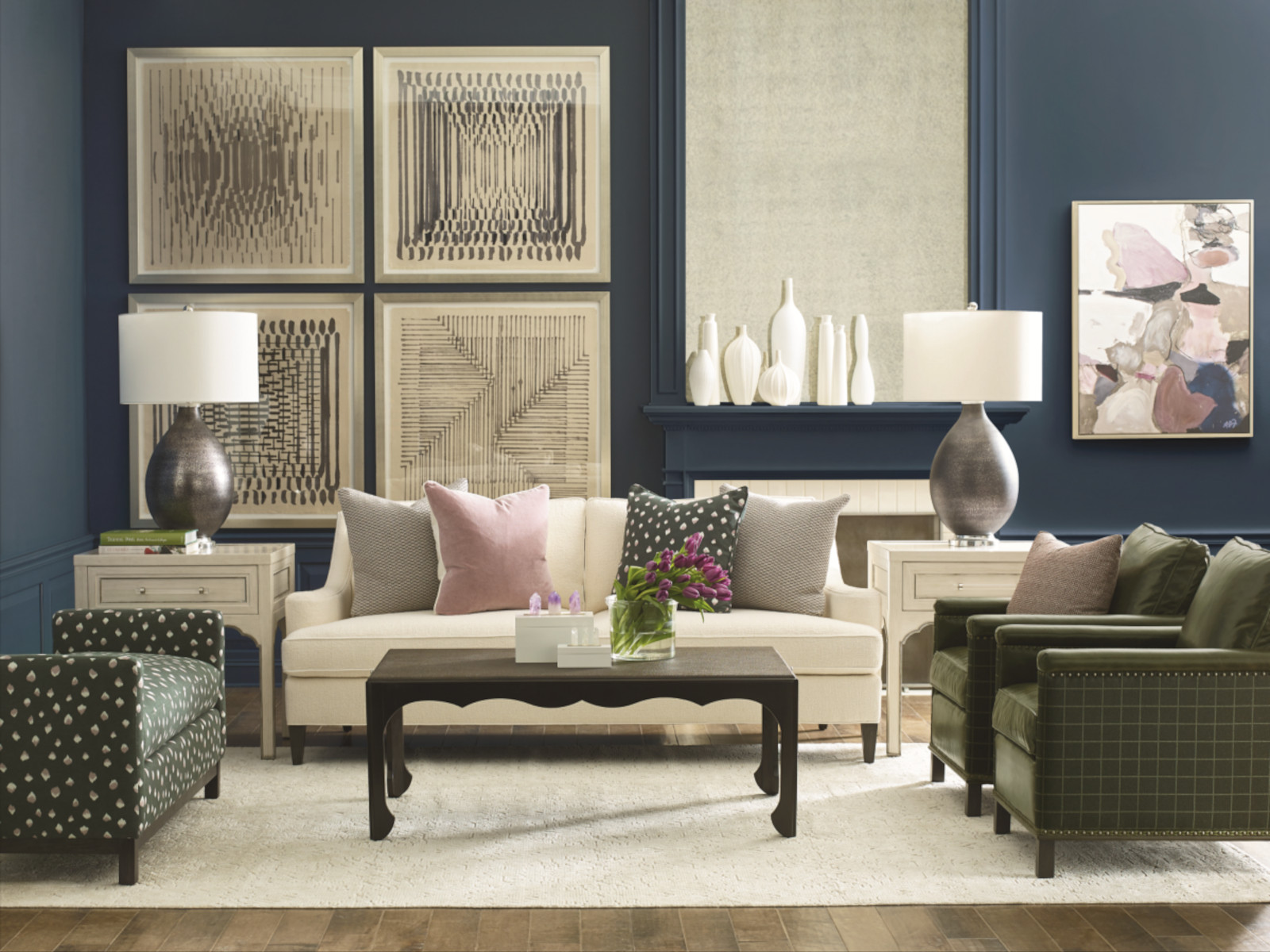
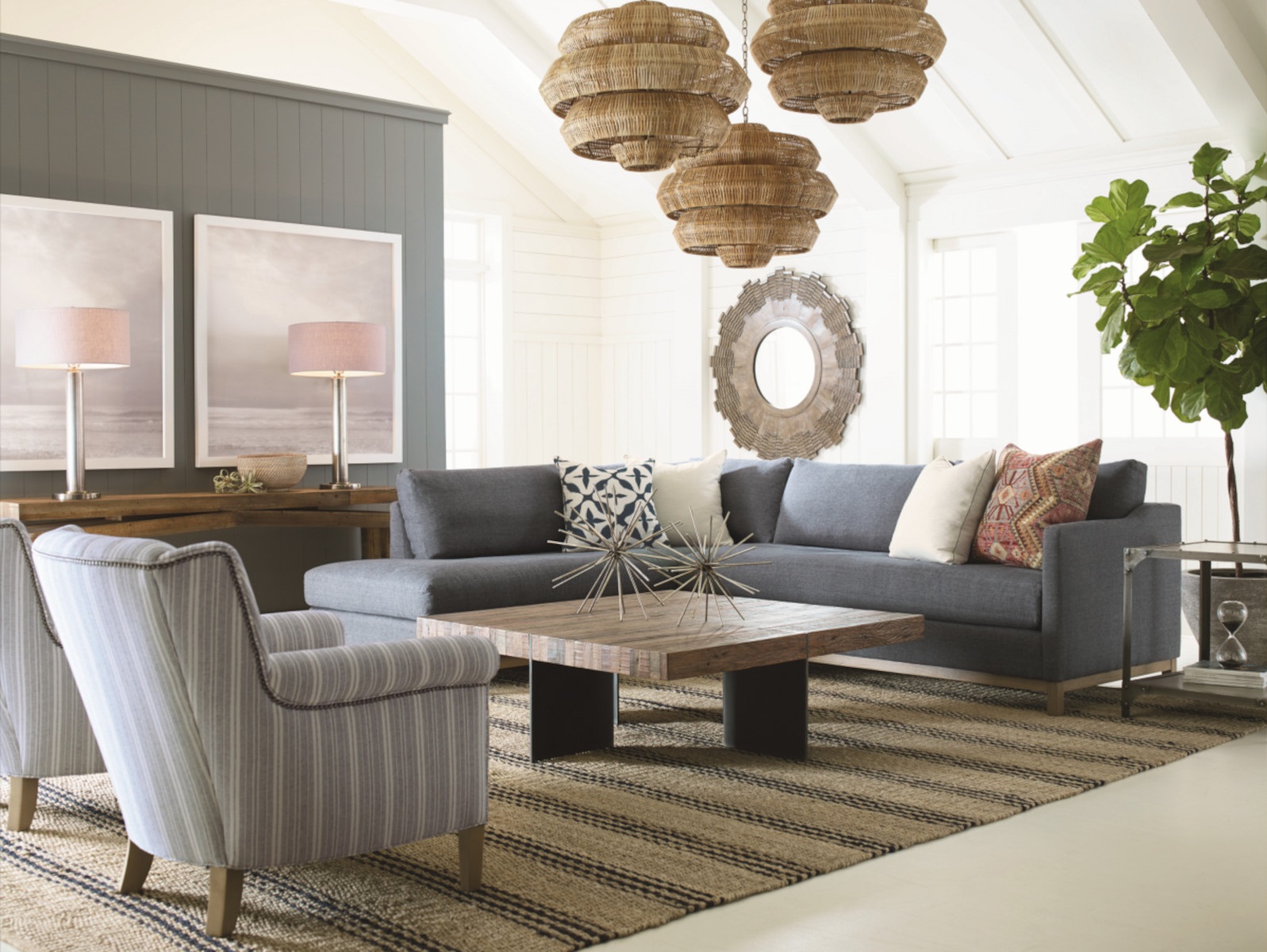
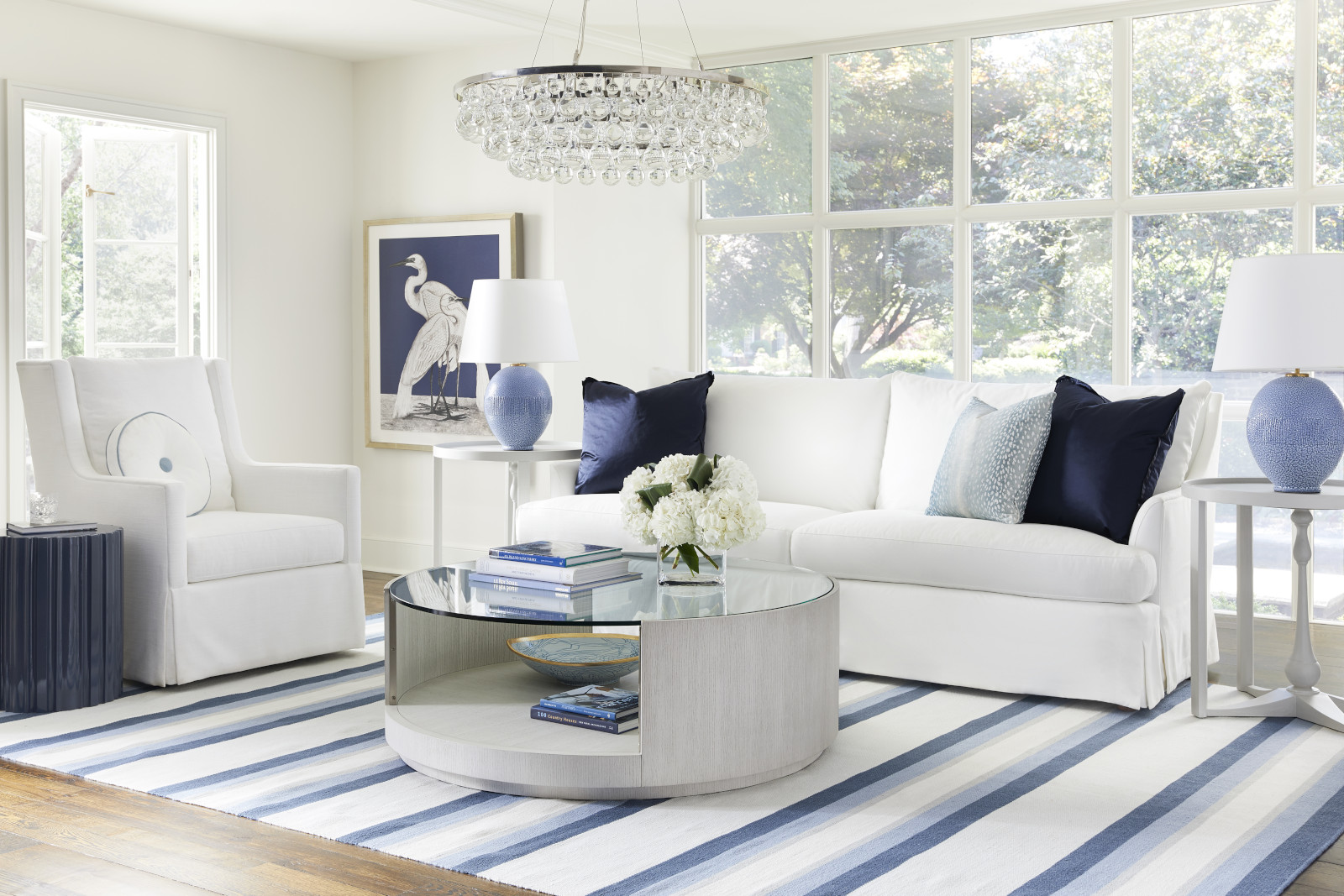
Blue is one of the most popular colors in interior design. In color psychology, it’s believed to
slow down the heart rate, lower blood pressure and relax the mind. Deep blues are associated
with loyalty, trust, intelligence and power, and it’s no surprise that it instills a sense of
confidence, luxury, and elegance. Lighter shades of blue, on the other hand, are calming and
tranquil. With these positive effects, shades of blues are perfect for any room and work well in
combination with virtually any other color.
RED
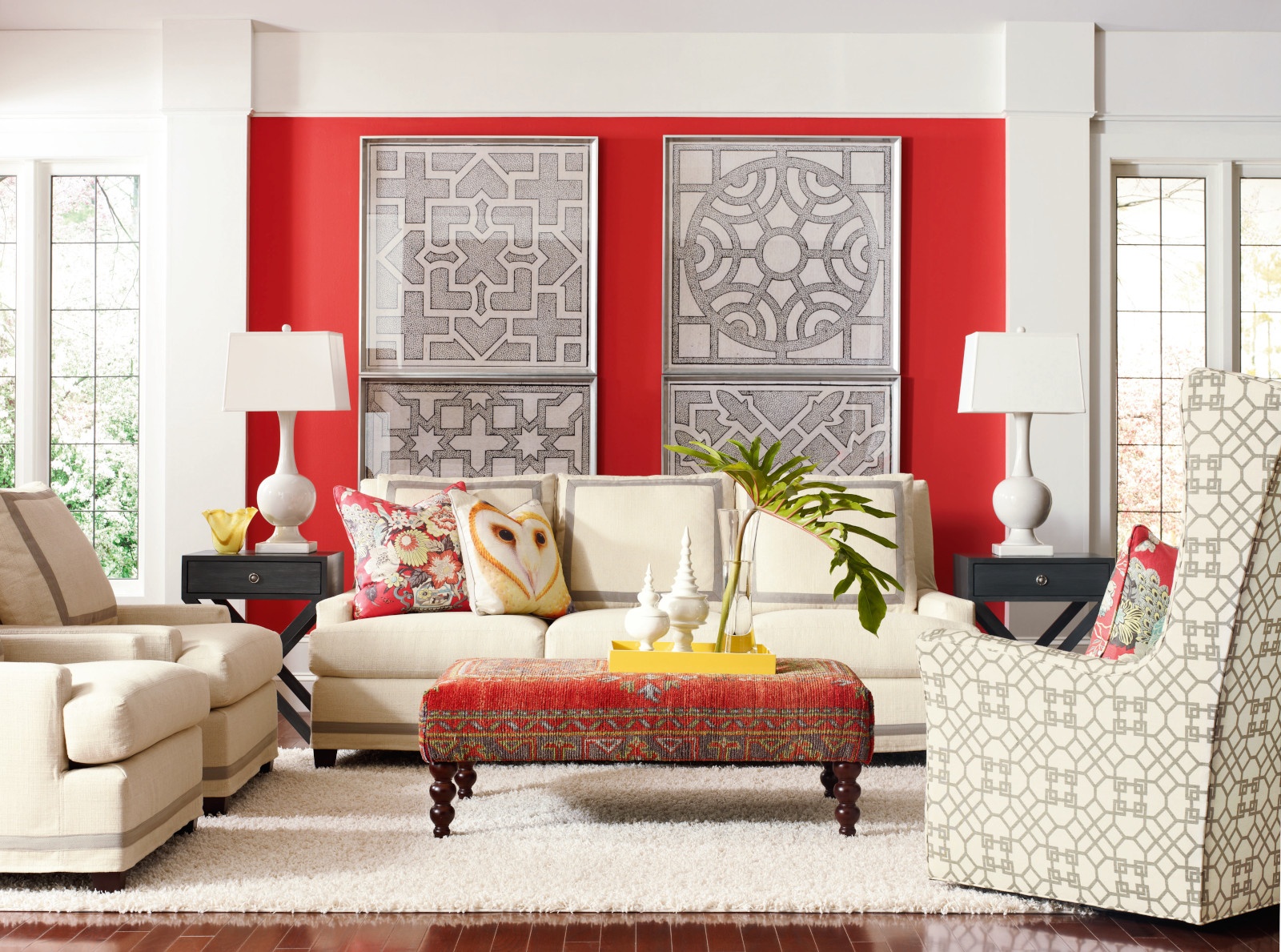
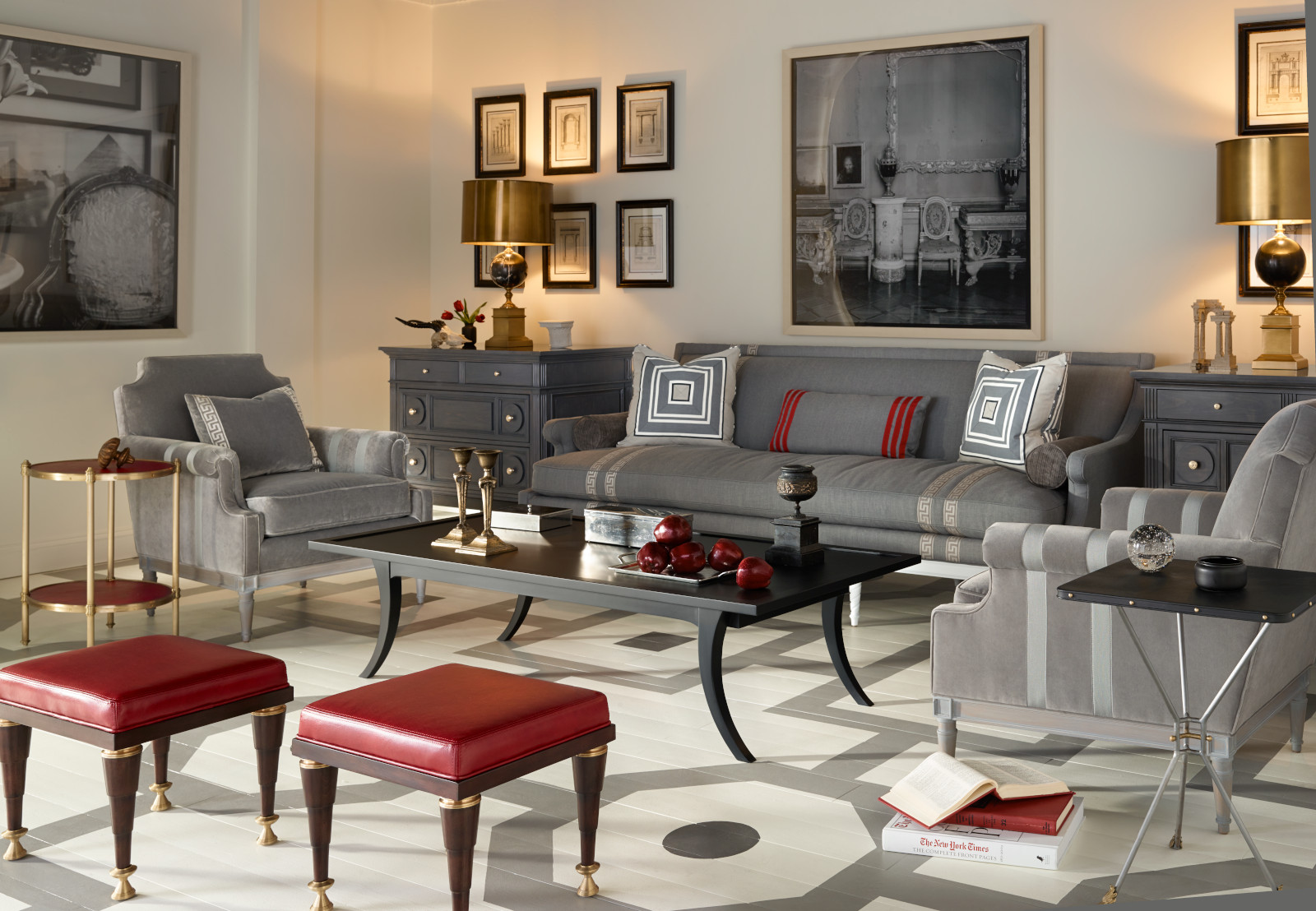
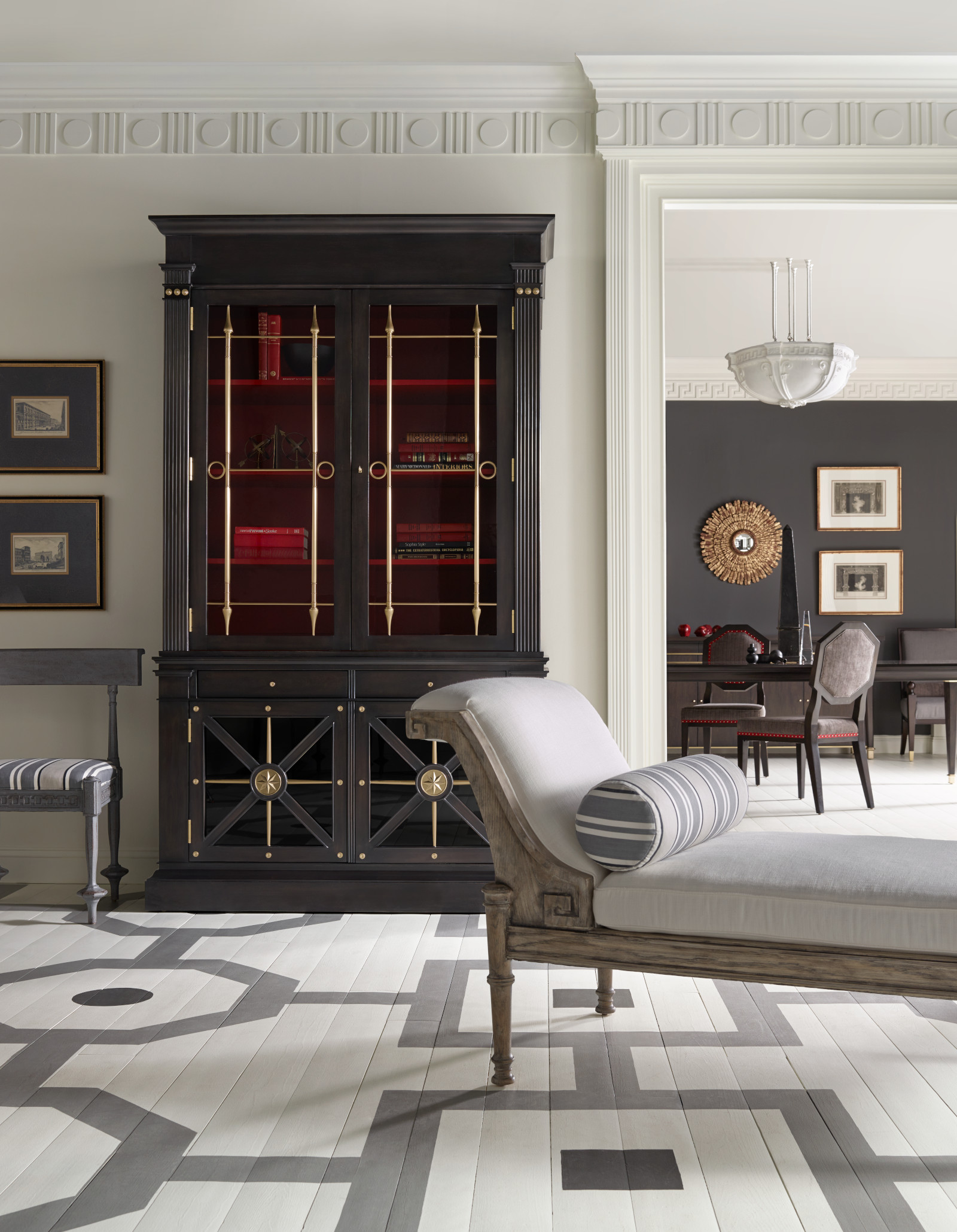
As the most dramatic and intense color, red is strongly associated with ambition, action,
creativity and passion. In interior design, it creates a strong first impression and instantly
increases a room’s energy level. Red is thought to spur creativity and vigor, making it a popular
choice for offices, and encourages romance, ideal for a bedroom. In living rooms and dining
rooms, red draws people together and encourages companionship and conversation. With the
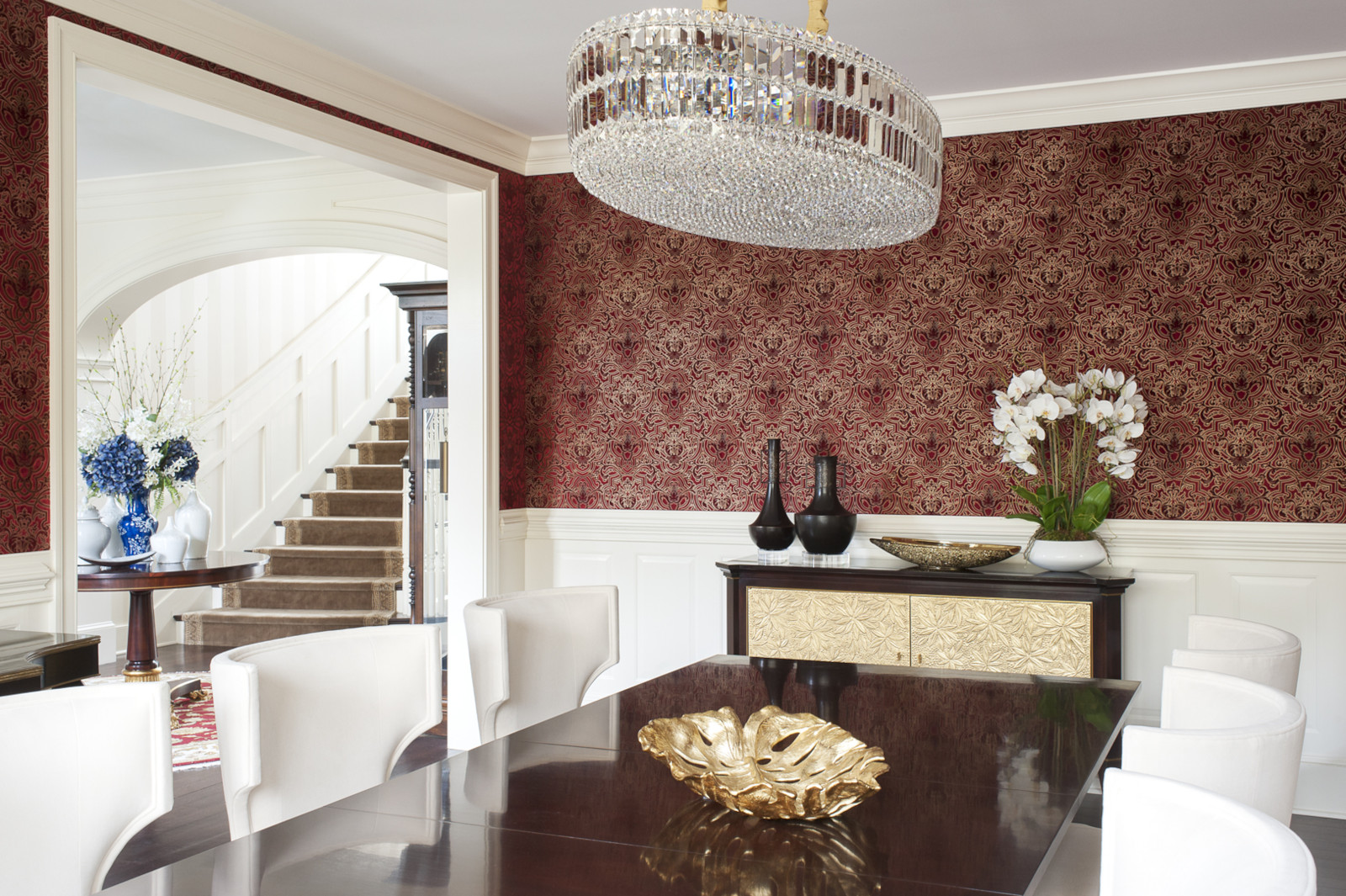
ability to evoke such strong emotions, red is a color that works with any style - from rich
burgundies in traditional design to the pop-art reds in contemporary decor. It’s vigor also
makes it a popular accent to liven up neutrals such as treys and whites.
YELLOW
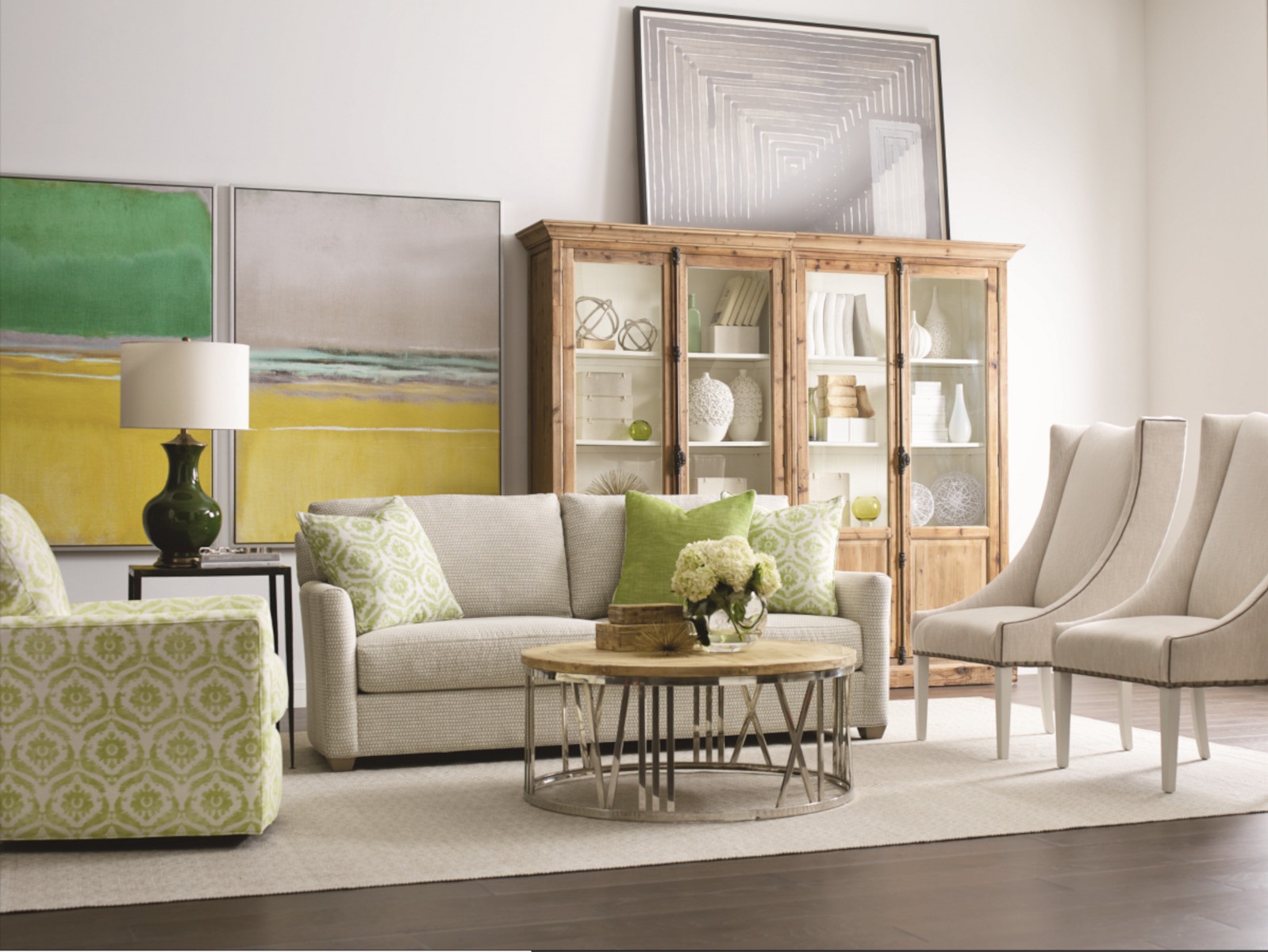
Synonymous with sunshine, yellow is energizing, warm and welcoming. With its close
relationship to gold tones, yellow is also associated with prosperity and wisdom. Like many
bright hues, though, it can be difficult to use as the predominant color in a room. Yet,
statement yellow accents are uplifting and can make a space feel bright and sunny. In fact, this
is why yellow is so often paired with grey in home decor.
GREEN
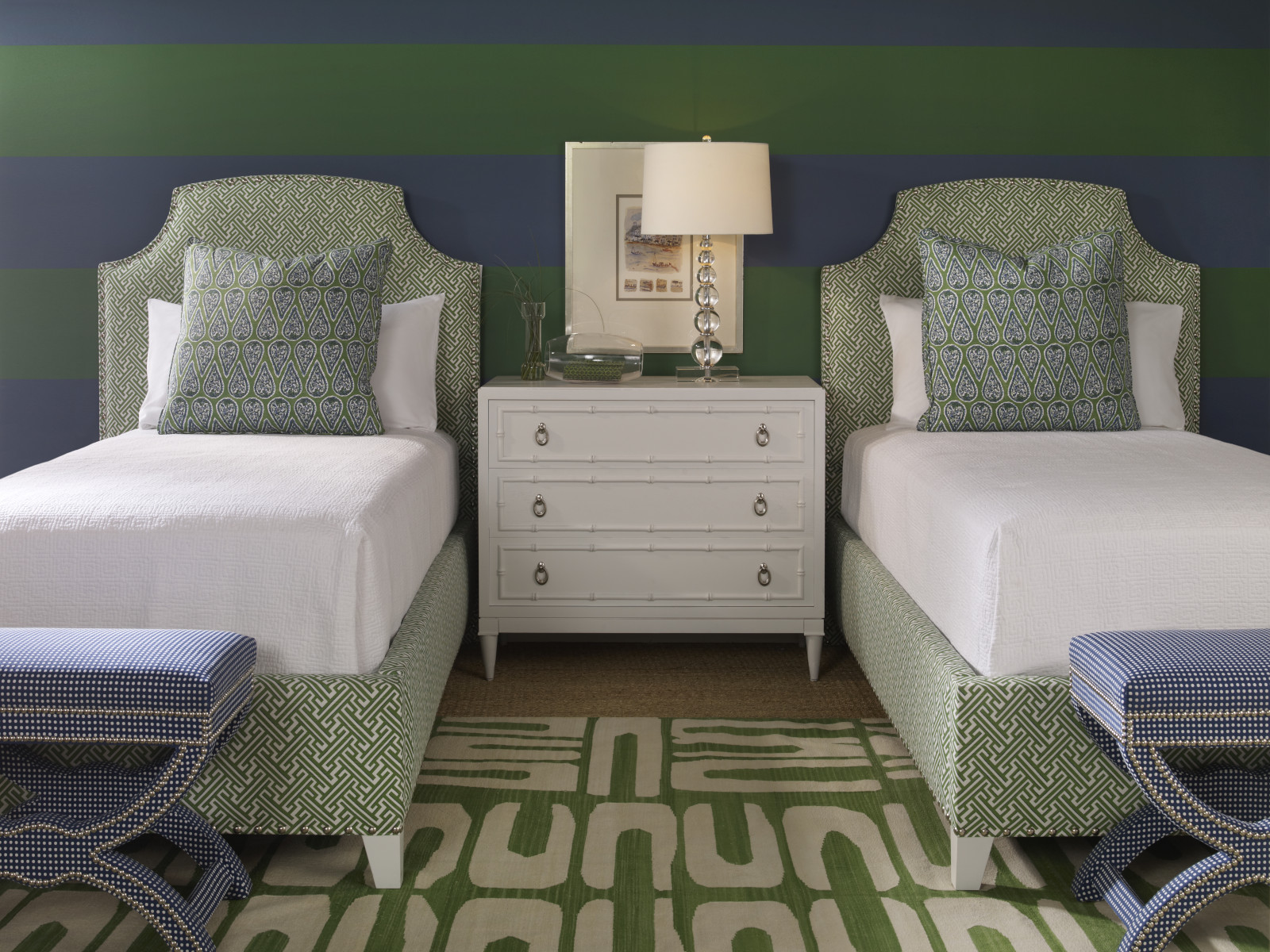
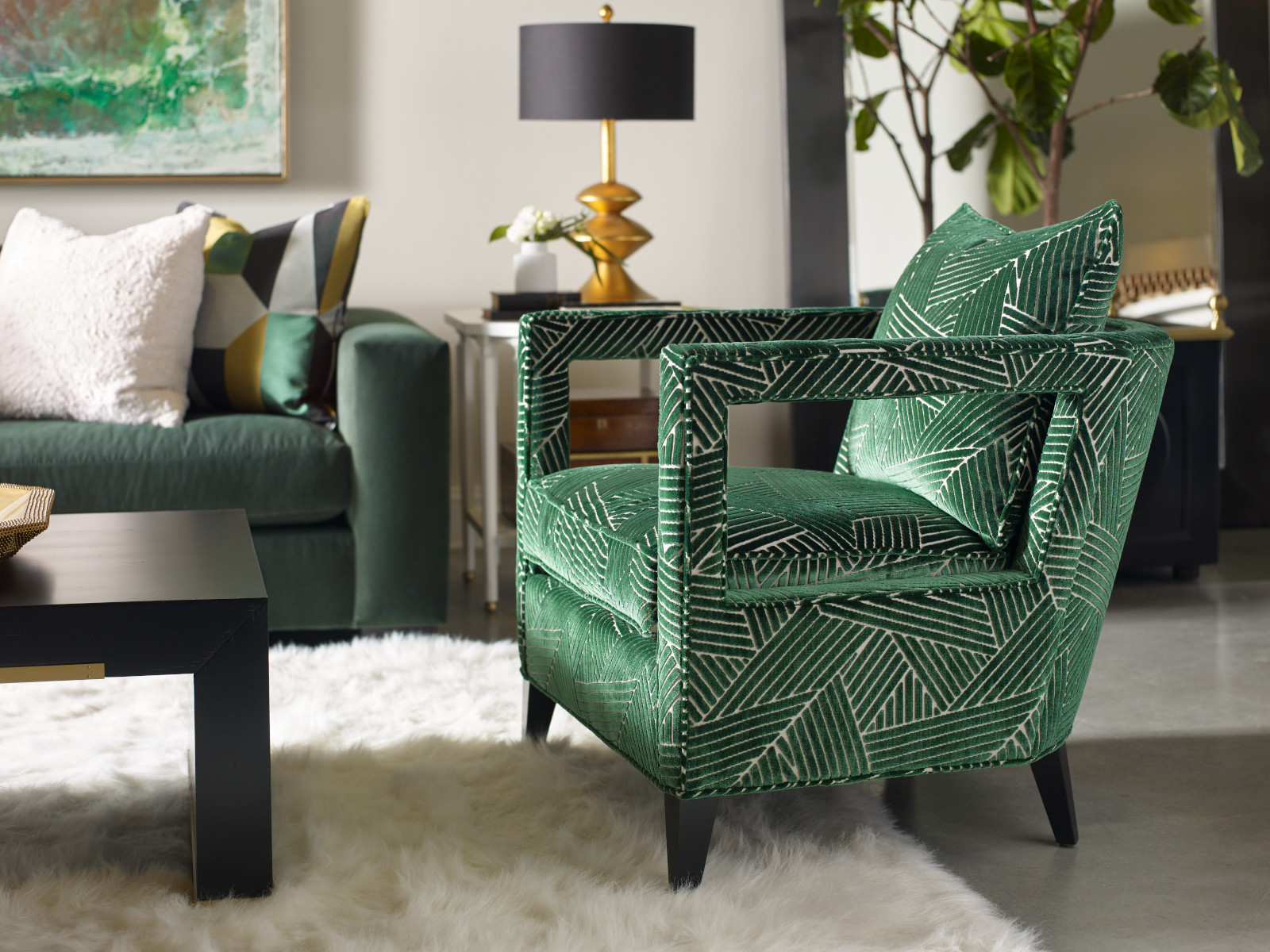
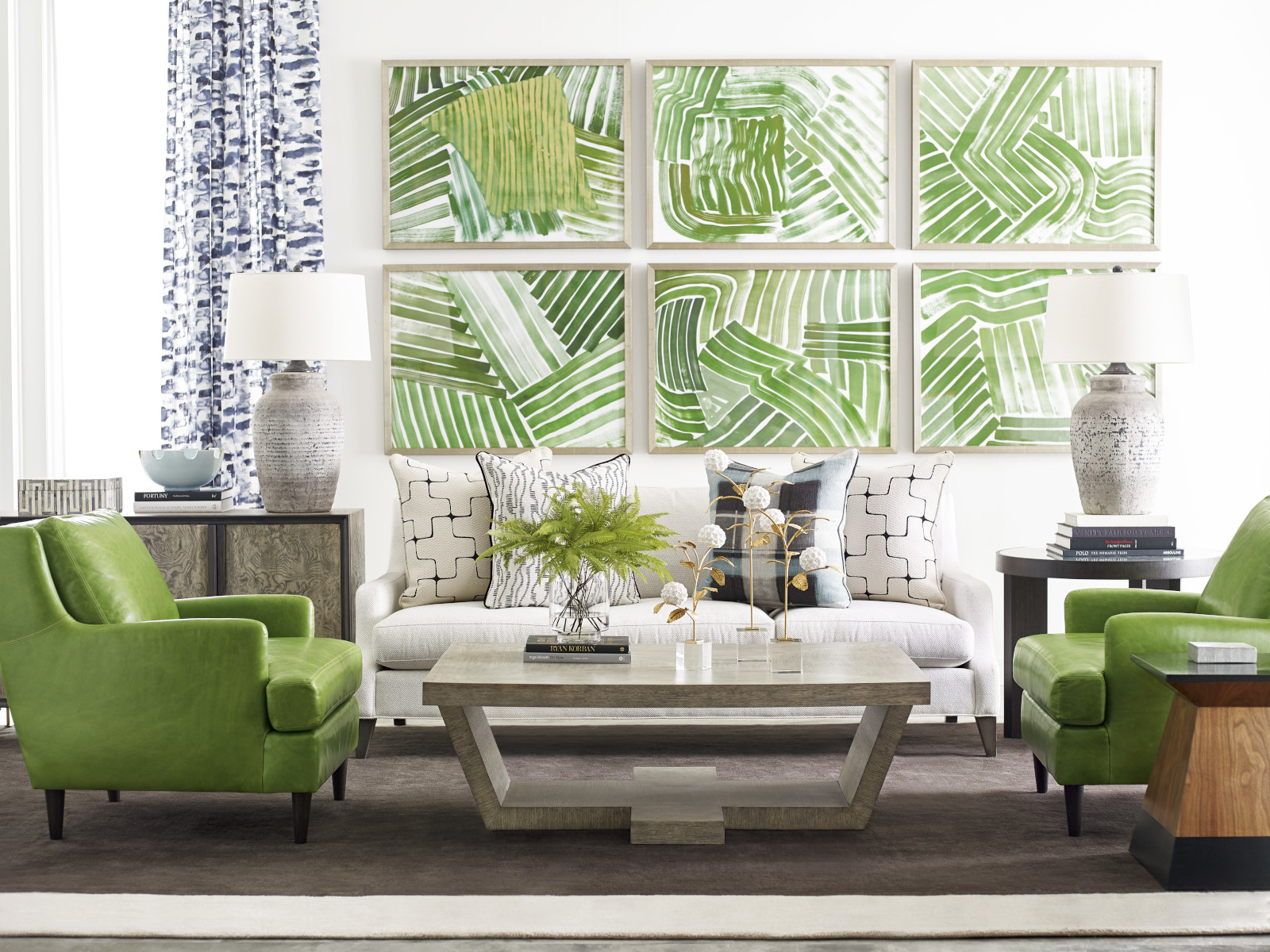
There’s no doubt that green is an invigorating/rejuvenating color, whether it’s a deep emerald
shade or bright lime hue. In color psychology, green is associated with harmony, growth,
freshness and peace. It immediately brings to mind the natural world and has a warmth that
encourages comfort and togetherness. It’s no surprise, then, that green is becoming a popular
paint choice for kitchen cabinets and is a go-to accent color in family rooms, living rooms and
bedrooms. Green is also linked to money and ambition, making it a good choice for office
spaces.
PINK
Don’t underestimate the power of pink. Closely associated with feminism, pink evokes
nurturing emotions, such as love, compassion, joy and bliss. When used in interior design, it
can help a space feel warm and comforting, and saturated pinks, such as magenta and fuscia,
can evoke glamour. On its own, too much pink can feel youthful and playful, but pair it with
secondary hues such as caramel shade to brown for a sophisticated look or with blues to
balance the femininity.
PURPLE
Symbolizing elegance, royalty, wealth and creativity, the color purple has strong ties to luxury in
interior design. Depending upon the hue, however, it can be dramatic and moody or calm and
confident. Use purple in your design plans to bring in a sense of regal elegance or in bold
accents to spur creative impulses and energize a space.
ORANGE
Orange symbolizes sunshine, nature, passion and adventure. This vibrant shade is stimulating,
energizing and can even increase appetite, making it a popular color choice in restaurants,
gyms, and offices. Yet, despite these positive associations, orange can also be linked to
feelings of aggression, dominance and overstimulation.
BLACK
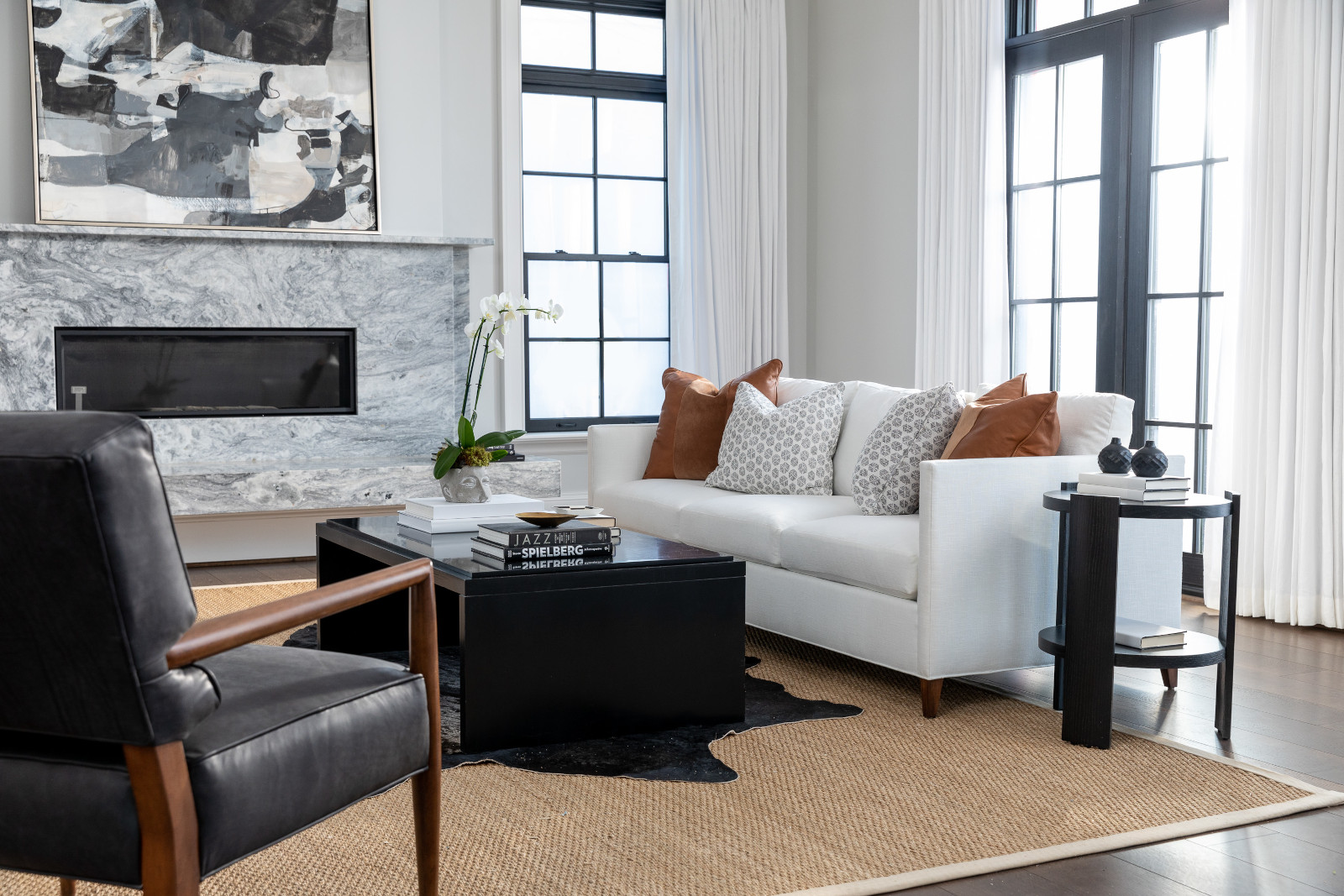
Nothing is as versatile and elegant as the color black. It signifies simplicity, sophistication and
functionality, and as a result is strongly associated with modern design. In color psychology,
black can also signify depression, control and foreboding, and a predominately black design
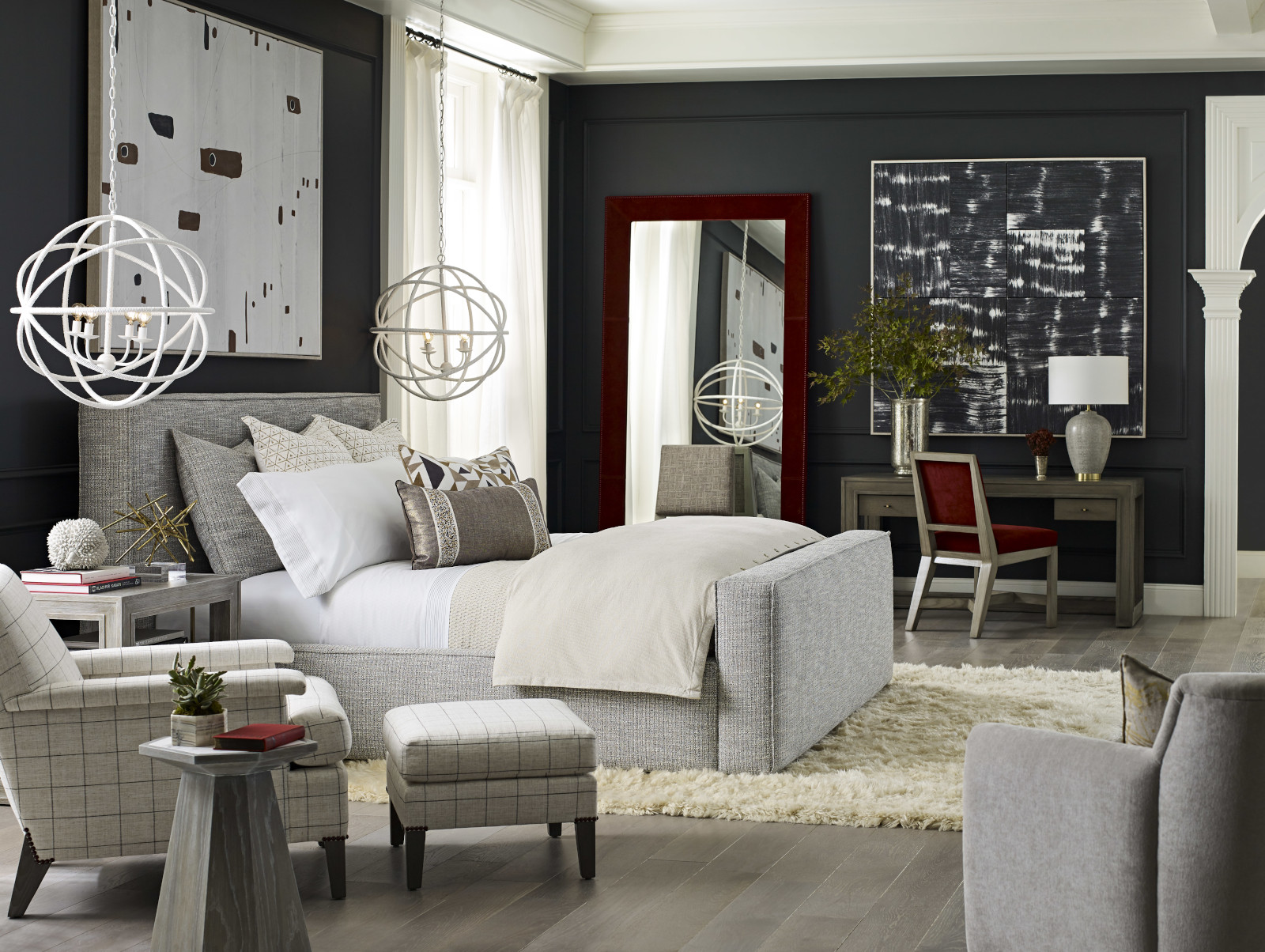
scheme can feel overwhelming and gloomy. Yet, black is an excellent contrast to other neutrals
or paired with vibrant colors, such as red, for a sophisticated, chic and modern flair.
WHITE
White is both a great neutralizer and a powerful color in its own right. Symbolizing peace,
tranquility, harmony and cleanliness, white has a calming effect and can help lower the heart
rate and blood pressure. In fact, if you are decorating with vibrate or dark colors, adding white
elements into a space reduces visual tension. White is also associated with trust, efficiency,
and productivity, making it closely associated to feelings of prosperity, luxury and elegance.
GREY
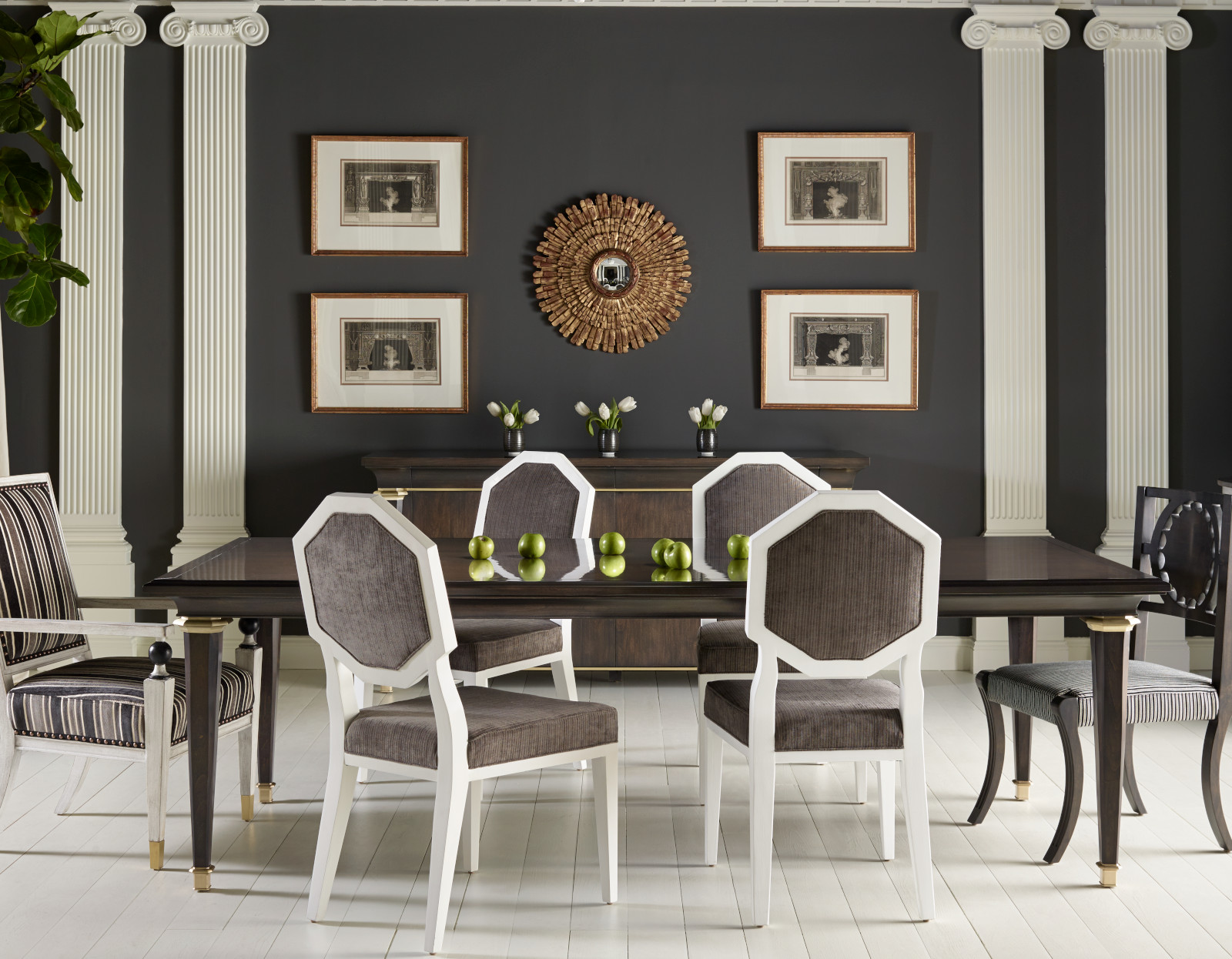
Grey is one of the most versatile and controversial colors in interior design. It’s linked to
feelings of security and intelligence and is also associated with elegance and style. In some
people, it creates a sense of calm and composure, but in others it can be depressing. The
extent to which grey is used in the home, therefore, depends upon an individual’s personal
association with the color. In any event, it’s a great neutralizer and light greys can be used
successfully to balance bright and vibrant tones. Deep grey accents can be used to add
touches of sophistication or modernity to a space, as well.
BROWN
Brown is a reassuring color, linked to feelings of comfort, coziness and relaxation. It also
symbolizes stability and structure making it ideal for use in the heart of the home - the kitchen.
Combined with other natural materials, such as stone and metal, brown hues help create a
timeless color palette. Since brown tends to relax the senses, large doses of it in interior design
can feel heavy and somber. To combat this, pair brown with vibrant hues, such as green, and
neutrals.